Transform Your Mind with Yoga and Meditation Techniques
- Airi Studio
- Sep 18, 2025
- 5 min read

In today's fast-paced world, finding peace and balance can feel like an uphill battle. Stress, anxiety, and distractions are everywhere. However, there is a powerful solution that can help you regain control and transform your mind: yoga and meditation. These ancient practices have been used for centuries to promote mental clarity, emotional stability, and overall well-being.
In this blog post, we will explore various yoga and meditation techniques that can help you cultivate a more peaceful and focused mind. Whether you are a beginner or have some experience, these practices can be easily integrated into your daily routine.
The Benefits of Yoga and Meditation
Before diving into specific techniques, it is essential to understand the benefits of yoga and meditation. Both practices offer a wide range of advantages, including:
Stress Reduction: Regular practice can significantly lower stress levels, helping you feel more relaxed and centered.
Improved Focus: Meditation enhances your ability to concentrate, making it easier to tackle tasks and stay productive.
Emotional Balance: Both yoga and meditation can help regulate emotions, leading to a more stable mood and increased resilience.
Physical Health: Yoga promotes flexibility, strength, and overall physical health, while meditation can improve sleep and reduce symptoms of anxiety and depression.
By incorporating these practices into your life, you can experience profound changes in your mental and emotional well-being.
Getting Started with Yoga
Yoga is a physical practice that combines movement, breath, and mindfulness. Here are some simple steps to help you get started:
Choose the Right Style
There are many styles of yoga, each with its unique focus and benefits. Some popular styles include:
Hatha Yoga: A gentle introduction to basic yoga postures and breathing techniques.
Vinyasa Yoga: A more dynamic style that links breath with movement, often featuring flowing sequences.
Yin Yoga: A slow-paced style that focuses on deep stretching and relaxation.
Consider trying a few different styles to see which one resonates with you the most.
Create a Comfortable Space
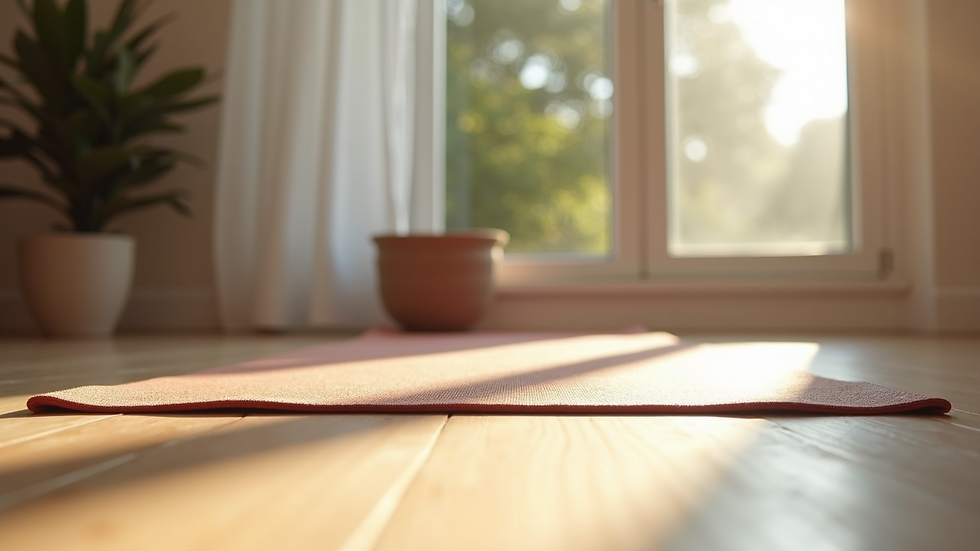
Find a quiet and comfortable space where you can practice without distractions. You may want to use a yoga mat, cushions, or blankets to make your practice more enjoyable.
Start with Basic Poses
Begin with simple poses that promote relaxation and mindfulness. Here are a few to try:
Child's Pose (Balasana): A gentle resting pose that helps calm the mind and relieve tension.
Cat-Cow Stretch (Marjaryasana-Bitilasana): A flowing movement that warms up the spine and encourages breath awareness.
Downward-Facing Dog (Adho Mukha Svanasana): A foundational pose that stretches the entire body and energizes the mind.
Practice these poses for a few minutes each day, focusing on your breath and the sensations in your body.
Exploring Meditation Techniques
Meditation is a practice that involves focusing the mind to achieve a state of calm and clarity. Here are some techniques to help you get started:
Mindfulness Meditation
Mindfulness meditation encourages you to focus on the present moment without judgment. To practice, follow these steps:
Find a comfortable seated position, either on a chair or on the floor.
Close your eyes and take a few deep breaths, allowing your body to relax.
Bring your attention to your breath, noticing the sensation of the air entering and leaving your body.
If your mind wanders, gently bring your focus back to your breath.
Start with just a few minutes each day and gradually increase the duration as you become more comfortable.
Guided Meditation
If you find it challenging to meditate on your own, consider using guided meditations. These can be found in apps, online videos, or podcasts. A guide will lead you through the process, making it easier to stay focused and engaged.
Loving-Kindness Meditation
This technique involves cultivating feelings of love and compassion for yourself and others. To practice loving-kindness meditation:
Sit comfortably and close your eyes.
Take a few deep breaths and focus on your heart center.
Silently repeat phrases such as "May I be happy, may I be healthy, may I be safe, may I live with ease."
After a few minutes, extend these wishes to others, starting with loved ones and gradually including acquaintances and even those you may have conflicts with.
This practice can help foster a sense of connection and compassion.
Combining Yoga and Meditation
Integrating yoga and meditation can enhance the benefits of both practices. Here are some ways to combine them effectively:
Start with Yoga
Begin your practice with a few yoga poses to warm up your body and calm your mind. This can create a more conducive environment for meditation.
Use Breath Awareness
During both yoga and meditation, focus on your breath. This connection can deepen your experience and help you stay present.
End with Meditation
After your yoga practice, take a few minutes to sit in meditation. This allows you to reflect on your practice and cultivate a sense of inner peace.
Creating a Consistent Practice
To experience the full benefits of yoga and meditation, consistency is key. Here are some tips to help you establish a regular practice:
Set a Schedule
Choose a specific time each day to practice. Whether it's in the morning, during lunch, or before bed, having a set time can help you stay committed.
Start Small
If you're new to these practices, start with just a few minutes each day. Gradually increase the duration as you become more comfortable.
Find a Community
Joining a yoga class or meditation group can provide support and motivation. Connecting with others who share your interests can enhance your experience.
Overcoming Challenges
It's normal to face challenges when starting a new practice. Here are some common obstacles and how to overcome them:
Time Constraints
If you feel you don't have enough time, remember that even a few minutes of practice can be beneficial. Consider shorter sessions or integrating practices into your daily routine.
Distractions
If you find it hard to focus, try practicing in a quiet space or using calming music. You can also use guided meditations to help keep your mind on track.
Self-Doubt
It's common to feel self-doubt when starting something new. Remember that everyone progresses at their own pace. Be patient with yourself and celebrate small victories.
The Transformative Power of Yoga and Meditation
As you continue to practice yoga and meditation, you may notice significant changes in your life. Many people report feeling more centered, less anxious, and more connected to themselves and others.
These practices can help you develop a greater sense of self-awareness and emotional resilience. You may find it easier to navigate life's challenges and respond to stress with a calm and clear mind.

Embracing Your Journey
Transforming your mind through yoga and meditation is a personal journey. It requires commitment, patience, and an open heart.
As you explore these practices, remember that there is no right or wrong way to do them. What matters is finding what works best for you and allowing yourself the space to grow and evolve.
By incorporating yoga and meditation into your daily life, you can cultivate a more peaceful and focused mind. Embrace the journey, and enjoy the many benefits that come with it.
Your path to transformation is just beginning, and every step you take brings you closer to a more balanced and fulfilling life.

Comments